Source Solid Color Men Necktie for Business, Weddings, and Events
Source a solid color men necktie from 30 verified listings. Compare polyester and silk options, custom patterns, and packaging details to find the right fit for your procurement needs; compare the available evidence and request quotations based on your requirements.
Key considerations
Products List


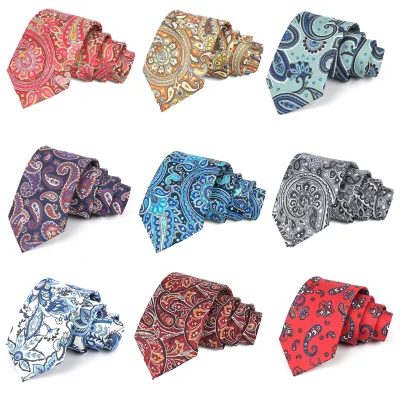


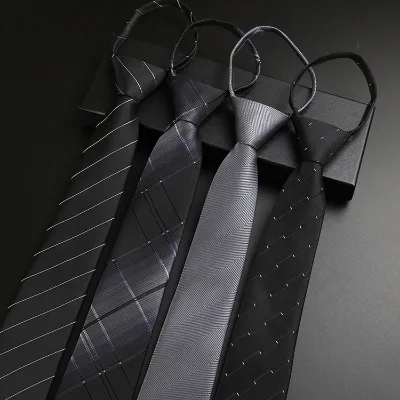
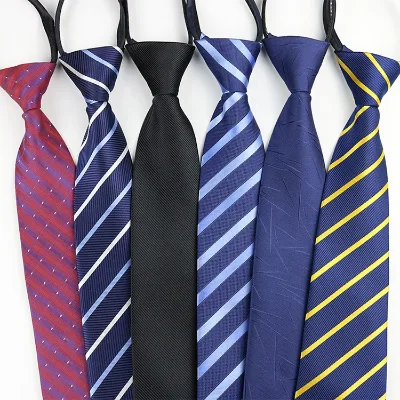


Comprehensive Sourcing Guide
Solid Color Men Necktie Sourcing Guide
Sourcing solid color men neckties requires distinguishing between plain dyed and jacquard weave variations, as the supplied data indicates both styles are available in the market. Buyers must verify whether the product is a standard polyester necktie or a premium 100% silk option, as the material composition directly dictates the final drape, luster, and price point. The observed listings show a wide range of widths from 5cm to 10cm, necessitating a clear specification of the desired silhouette before engaging with suppliers.
Procurement teams should also evaluate the customization capabilities, as many suppliers offer custom tipping and edge finishing options like hand rolling or machine hemming. The supply type is frequently listed as make-to-order, which implies a need for precise design communication regarding patterns and colors. Understanding these baseline attributes ensures that the selected necktie aligns with the specific aesthetic and functional requirements of the target market segment.
Product Scope and Observed Listing Signals
The product scope for solid color neckties includes various model numbers such as JD-fashion, 6424, and 3589, each potentially representing different production runs or design iterations. Buyers should note that while some listings specify a plain dyed style, others may feature jacquard or striped patterns, requiring careful filtering to isolate true solid color options. The observed price range of 0.7 to 18 USD suggests significant variance in quality and material, with lower prices likely corresponding to polyester blends and higher prices to silk or wool compositions.
Listing signals also reveal diverse packaging standards, ranging from individual polybags to inner boxes and master cartons, which impacts logistics planning and retail presentation. Some suppliers specify a minimum order quantity of 100 pieces, while others may accept lower volumes, influencing the feasibility for small batch procurement. The origin is consistently noted as China, with specific hubs like Hangzhou mentioned, providing a geographical baseline for supply chain risk assessment and lead time estimation.
Technical Specifications to Verify
Technical verification must begin with precise dimensional checks, as the observed data lists lengths between 142cm and 157cm and widths from 5cm to 10cm. Buyers should confirm the exact length and width requirements for their specific use case, noting that some standards specify 148cm length with 6cm or 8cm width. The interlining material is another critical variable, with options including soft double brushed polyester or wool, which significantly affects the knot structure and stiffness of the finished tie.
Further verification is required for the edge finishing and tipping details, as suppliers offer choices between plain or custom logo tipping and various edge treatments. The composition of the fabric must be explicitly confirmed, as listings show variations from 100% silk to blends containing wool and recycled polyester. Additionally, the weight of the fabric, observed at 200 GSM for lightweight options, should be validated to ensure it meets the desired tactile feel and seasonal appropriateness for the end consumer.
Compliance and Safety Documentation
Compliance documentation should prioritize the verification of SGS standards, which are explicitly mentioned in the product attributes as a quality benchmark. Buyers must request current test reports to confirm that the materials meet international safety requirements for textiles, particularly regarding colorfastness and chemical restrictions. While the data mentions SGS, it does not specify the exact test protocols, so procurement teams should ensure that the supplier provides detailed certificates covering the specific fabric composition and dyeing processes used.
Safety documentation also extends to the care instructions provided with the product, such as the "Do Not Wash, Dry Clean Only" directive observed in the listings. This instruction is critical for maintaining the integrity of the tie, especially for silk or wool blends that may shrink or lose shape if washed improperly. Buyers should ensure that all packaging and labeling comply with the destination market's labeling laws, including accurate fiber content disclosure and origin marking as required by local regulations.
Cost Drivers and Commercial Terms
Cost drivers for solid color men neckties are heavily influenced by the material choice, with 100% silk commanding a premium over polyester or wool blends. The complexity of the customization, such as custom tipping or specific edge rolling, adds labor costs that are reflected in the final price. The observed MOQ of 100 pieces acts as a baseline cost factor, where economies of scale may reduce the unit price for larger orders, but smaller batches will incur higher per-unit costs due to setup and handling fees.
Commercial terms should be scrutinized for shipment conditions, as the data indicates FOB (Free on Board) terms are common. This means the buyer assumes responsibility for freight and insurance once the goods leave the port of origin, requiring a clear understanding of logistics costs. The packing method, whether individual polybags or master cartons, also affects shipping volume and cost, so buyers should negotiate packaging specifications that optimize container utilization while protecting the product during transit.
Supplier Qualification and Quality Control
Supplier qualification should focus on verifying their capacity for make-to-order production and their ability to maintain consistent quality across different batches. The presence of specific model numbers and detailed specifications suggests a structured production process, but buyers must confirm that the supplier can replicate the exact interlining and tipping details for every order. Quality control checks should include random sampling to verify the fabric weight, stitching quality, and the accuracy of the dimensions against the agreed-upon standards.
Quality control protocols must also address the consistency of the solid color dyeing, ensuring there are no shade variations between different production runs. Given the observation of various packing methods, the supplier's internal QC should include a final inspection of the packaging integrity to prevent damage during shipping. Buyers should establish a clear communication channel for resolving any quality discrepancies, ensuring that the supplier is responsive to feedback and willing to implement corrective actions for future orders.
Long-Term Procurement Checks
Long-term procurement checks involve monitoring the supplier's ability to maintain consistent lead times and quality standards over multiple production cycles. The observed lead times and production models suggest a need for regular performance reviews to ensure that the supplier can meet demand fluctuations without compromising on the specified material or finish. Buyers should track the frequency of quality issues, such as edge defects or color inconsistencies, to identify trends that may indicate a need for process improvements or supplier changes.
Sustainability and ethical compliance should also be part of the long-term evaluation, even if not explicitly detailed in the initial product data. Buyers should periodically request updates on the supplier's labor practices and environmental policies to ensure alignment with corporate social responsibility goals. Establishing a long-term partnership requires regular audits and open dialogue, ensuring that the supplier remains a reliable source for high-quality solid color men neckties that meet evolving market demands.
FAQs
What materials are used for solid color men neckties?
Solid color men neckties are primarily crafted from polyester or 100% silk. Some premium options feature a composition of 60% wool, 38% recycled polyester, and 2% elastane. These materials ensure durability and a refined drape, suitable for various professional and formal occasions.
What are the standard dimensions for these neckties?
Standard widths range from 5cm to 10cm, with common specifications including 6cm or 8cm. The typical length is approximately 145cm to 157cm. Custom requests may specify 148cm length with 6cm or 8cm width, allowing for tailored fit and style preferences.
Can I customize the design and packaging?
Yes, customization is available for patterns, tipping, and packaging. Buyers can choose plain, jacquard, striped, or checked designs. Packaging options include inner boxes, master cartons, or individual polybags. Custom logo tipping and specific design patterns are also supported to meet brand requirements.
What is the minimum order quantity for these ties?
The minimum order quantity varies, typically ranging from 1 to 100 pieces. Some specific listings require a MOQ of 100 PCS. This flexibility allows buyers to place smaller trial orders or larger bulk purchases depending on their inventory needs and supply chain strategy.
Where are these neckties manufactured and shipped from?
These neckties are manufactured in China, with specific origins noted in Hangzhou. Some fabric components may be woven in Italy. The standard shipment term is FOB, facilitating international logistics. Buyers can expect production from established Chinese manufacturing hubs with global export experience.
What standards and certifications do these products meet?
Products adhere to SGS standards for quality and safety. Specifications are strictly followed, such as 9*145cm or 148cm length. These certifications ensure that the neckties meet international quality benchmarks, providing buyers with confidence in the product's reliability and compliance with industry norms.